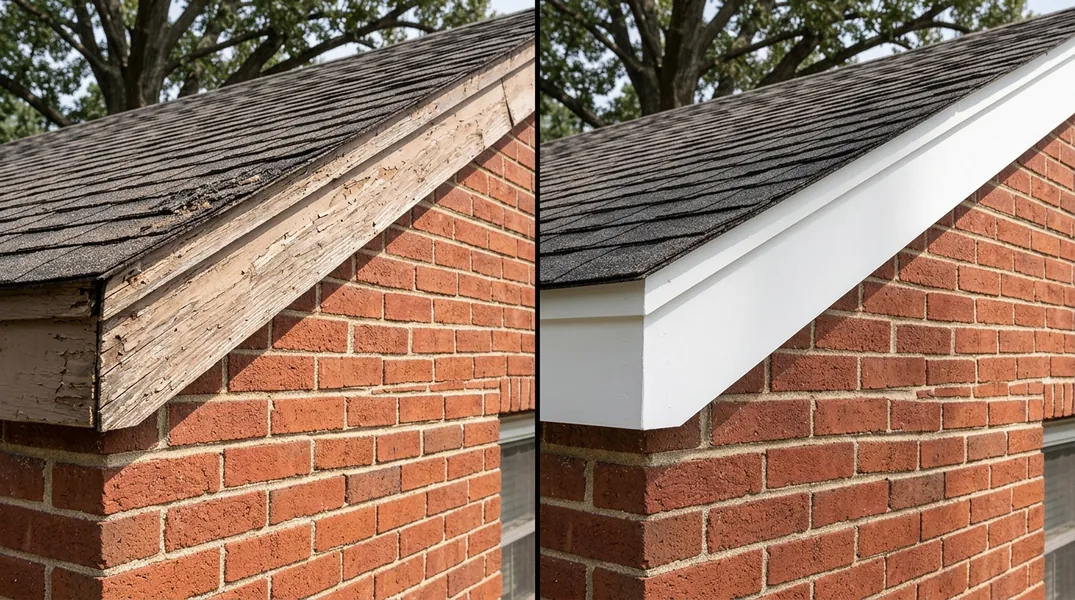
The Reality of Owning a Historic St. Louis Brick Flat or Victorian
If you own a brick flat or Victorian home in St. Louis, you've inherited something genuinely special. These homes have character, craftsmanship, and stories that modern construction simply cannot replicate. But let's be honest: they also come with maintenance challenges that newer homes don't face. The bones of your home are often 100 to 150 years old, and while that speaks to their durability, it also means that wood components have been exposed to decades of moisture, temperature fluctuations, and natural wear.
The most common threat to historic St. Louis homes isn't cosmetic damage or outdated finishes. It's structural wood damage that develops quietly, often hidden behind walls, under porches, or in basements where you can't see it. Many homeowners don't realize they have a problem until they notice soft spots in flooring, sagging door frames, or that telltale musty smell in the basement. By then, the damage has often progressed significantly. This guide will help you understand what to watch for and when to call in professionals.
Wood Rot and Dry Rot: The Silent Destroyers of Historic Homes
Wood Rot & Dry Rot Repair is one of the most critical services for historic homeowners because these problems attack the structural integrity of your property. Wet rot develops when wood is exposed to moisture for extended periods, which is incredibly common in older homes with aging roof systems, poor drainage, or foundation seepage. Dry rot is equally dangerous and perhaps more insidious because it can spread through wood even when the moisture source isn't immediately obvious. Both types of rot weaken the wood fiber, making structural elements like joists, beams, and trim boards crumble from the inside out.
The challenge with historic homes is that the wood used in their construction was often old-growth timber with different density and moisture characteristics than modern lumber. This can make these homes either more resilient or more vulnerable depending on the specific conditions. In a brick flat or Victorian, you might find rot in places you'd never expect: under ornamental porch trim, inside decorative cornices, or within the wood framing that supports your second floor. The key is catching it early. If you notice wood that feels soft when you press on it, see visible fungal growth, or notice paint peeling in unusual patterns, it's time to get a professional assessment. Don't wait, because wood rot spreads, and the longer you ignore it, the more expensive the repair becomes.
Porch Trim Repair: A Victorian Home's Most Vulnerable Feature
Victorian and brick flat porches are architectural treasures, but they're also one of the most exposed and vulnerable parts of your home. The decorative trim, brackets, railings, and fascia boards that make these porches beautiful are constantly battling St. Louis weather: intense summer humidity, freeze-thaw cycles in winter, and heavy spring rains. Porch trim repair is something most historic homeowners will need at some point, and understanding the scope of the problem is crucial before you hire someone to fix it.
Water is the enemy of porch trim. It infiltrates through cracks in paint, seeps under flashing that's pulled away from the house, and sits in joints where different wood pieces meet. Once water gets in, it stays there, creating the perfect environment for rot to develop. Many homeowners make the mistake of just painting over damaged trim without addressing the underlying moisture problem. This is temporary at best and often makes things worse by trapping moisture inside the wood. Proper porch trim repair involves identifying where water is coming from, removing all damaged wood, treating the area to prevent future moisture intrusion, and using appropriate materials that match the historic character of your home. This is where expertise matters tremendously, because the wrong repair approach can compromise both the structural integrity and the aesthetic value of your property.
Termite Damage and Other Pest-Related Wood Destruction
Termite Damage Repair is another serious concern for homeowners in the region. Termites don't just damage wood; they can compromise the entire structural system of your home if left unchecked. Historic homes are particularly vulnerable because they often have wood-to-soil contact in basements or crawl spaces, creating ideal conditions for termite colonies to establish themselves. Unlike rot, which develops slowly over years, termite damage can accelerate rapidly once a colony is established.
The challenge is that termite damage can be difficult to spot without professional inspection. Termites work from the inside out, leaving a thin shell of wood on the surface while hollowing out the interior. You might not notice damage until you accidentally poke through a floor joist or notice buckling floors. If you suspect termites, don't delay in getting a professional inspection. Early detection and intervention can save tens of thousands of dollars in structural repairs. After pest control treatment, any damaged wood needs to be properly assessed and repaired to restore your home's structural integrity.
Floor Joist and Subfloor Issues: Why Your Victorian Feels Bouncy
If you've ever walked across the second floor of a Victorian or brick flat and felt the boards flex beneath your feet, you've experienced what many historic homeowners deal with. This isn't always charming character; it can be a sign that your Floor Joist & Subfloor Repair needs attention. Floor joists are the horizontal beams that support your floors, and they're particularly susceptible to moisture damage because they're often in contact with basement or crawl space air that carries humidity.
The wood used in Victorian-era floor framing was typically smaller in cross-section than modern building codes would allow, which means that any deterioration has a more noticeable impact on floor performance. Rot, termite damage, or even just the natural settling and shrinking of old wood can cause floors to become uneven or springy. This isn't just uncomfortable; it's a sign that the structural system isn't performing as intended. Addressing floor issues requires careful assessment of what's actually wrong (rot, insect damage, structural settlement, or simply age-related movement) and then determining the appropriate repair strategy. Sometimes this involves sistering new joists alongside existing ones, sometimes it requires complete joist replacement in a localized area, and sometimes it involves addressing moisture sources to stabilize the situation.
Historic Home Maintenance in St. Louis: A Proactive Approach
The best strategy for protecting your historic brick flat or Victorian isn't reactive repair; it's proactive maintenance. This means understanding your home's vulnerabilities and addressing small problems before they become catastrophic. Start with the basics: make sure gutters and downspouts are clean and directing water away from your foundation, check caulking around windows and doors, inspect your roof regularly, and keep an eye on the basement or crawl space for signs of moisture or pest activity.
Schedule a professional inspection every few years, particularly if you notice any changes in how your home feels or looks. A professional can spot early signs of wood damage that you might miss. Keep detailed records of any repairs or maintenance you've done, including dates and what was addressed. This documentation becomes valuable if you ever need to explain your home's condition to contractors or if you decide to sell. Finally, don't put off repairs just because they seem expensive. The cost of addressing wood rot or structural damage early is always less than the cost of waiting until the problem has spread significantly. If you're concerned about any aspect of your historic home's condition, contact St Louis Carpentry for a free estimate and professional guidance. You can also call us at (314) 338-6837 to discuss your specific concerns.
Wood Rot and Structural Damage Cost in St. Louis: What to Budget
Understanding the potential cost of structural repairs is important for historic homeowners. The price of wood rot repair varies dramatically depending on the extent of damage, the location of the damage, and the materials required for proper restoration. A small area of rot in porch trim might cost $500 to $2,000 to repair properly, while extensive rot affecting floor joists or structural beams could easily run $5,000 to $15,000 or more. The key factor is the scope of damage and how much wood needs to be replaced versus simply treated and stabilized.
It's tempting to get the cheapest quote, but with structural repairs, this is genuinely dangerous. A contractor who cuts corners on wood replacement, uses inappropriate materials, or fails to address the moisture source that caused the problem will leave you with a temporary fix that fails within a few years. You'll end up paying twice. Professional assessment is worth the investment because it ensures you understand the actual scope of the problem and get an accurate estimate for proper repair. Most reputable contractors, including St Louis Carpentry, offer free estimates so you can compare options and make an informed decision about your home's needs.
Looking for a professional carpentry contractor in St. Louis? St Louis Carpentry responds fast for all your carpentry needs.
Get a Free QuoteOur services: Wood Rot & Dry Rot Repair · Termite Damage Repair · Floor Joist & Subfloor Repair