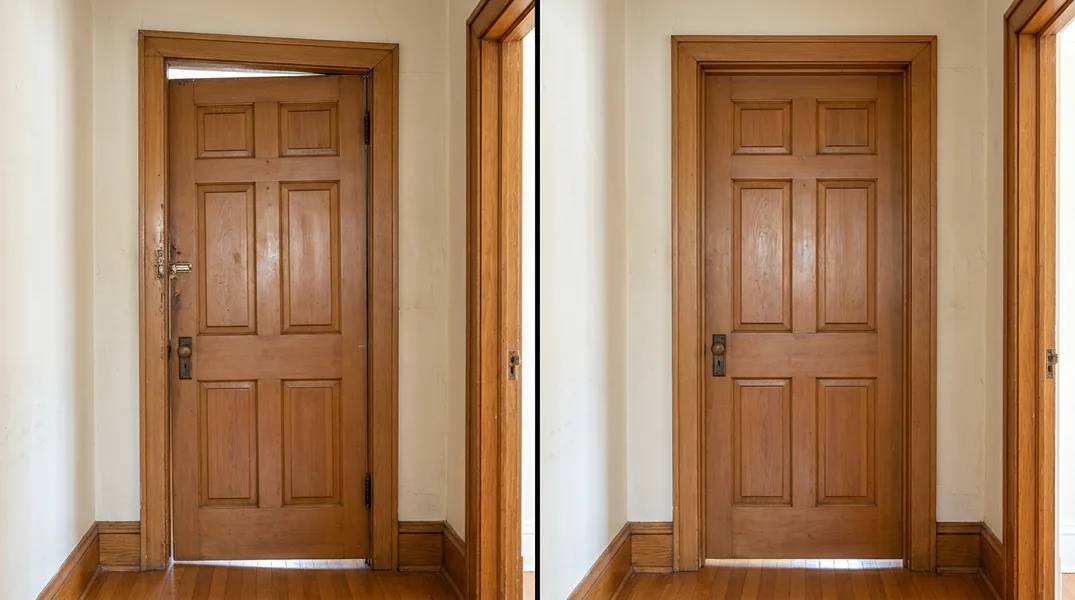
Understanding Wood Rot: The First Step to Making the Right Decision
Wood rot is one of the most common problems homeowners face, especially in humid climates like St. Louis. Before you decide whether to repair or replace damaged wood, you need to understand what you're dealing with. Wood rot occurs when moisture penetrates wood fibers and creates an environment where fungi thrive. Over time, these fungi break down the wood's structural integrity, leaving it soft, crumbly, and weak.
The severity of wood rot determines your options. Minor surface rot caught early might be repairable with targeted treatment and reinforcement. However, advanced rot that has penetrated deep into structural members like floor joists, beams, or load-bearing walls typically requires replacement. The key is having a professional assess the damage accurately so you know exactly what you're working with before making an expensive decision.
When You Can Repair Rotted Wood Without Replacing It
Not every instance of rotted wood demands a complete replacement. If the rot is caught early and remains superficial, repair is often a viable and cost-effective option. Repairing rotted wood typically involves removing the affected section, treating the surrounding wood with fungicide, and reinforcing the area with epoxy filler or sister boards. This approach works best when rot is limited to a small percentage of the member's cross-section and hasn't compromised the structural load-bearing capacity.
Wood Rot & Dry Rot Repair specialists in Clayton and surrounding areas often recommend repair for issues like rotted window sills, door frames, or exterior trim. These elements are typically non-structural, meaning failure won't cause the house to shift or settle. Similarly, if rot appears on the outer edge of a structural beam but hasn't penetrated more than one-quarter of the way through, repair with epoxy injection or sister boarding can restore functionality at a fraction of replacement costs.
The moisture source must also be addressed during repair. If you fix the rot but leave the water intrusion point untouched, the problem will simply return. This might mean installing new flashing, improving drainage, or sealing cracks. A thorough repair job always includes identifying and eliminating why the rot developed in the first place.
When Replacement Is Your Only Safe Option
There are situations where repair simply isn't safe or practical. If wood rot has penetrated more than half the depth or width of a structural member, replacement becomes necessary. Load-bearing components like floor joists, rim joists, and main beams cannot be compromised. Even if repair seems cheaper upfront, structural failure down the line creates catastrophic safety and financial consequences that far exceed replacement costs.
Floor Joist & Subfloor Repair is one area where homeowners often need replacement rather than repair. Subfloors and joists support the entire weight of your home and everything in it. If these components are significantly rotted, the floor may sag, crack, or eventually fail. Similarly, Beam Replacement & Load-Bearing Wall Removal becomes necessary when rot affects main support beams. You cannot patch or reinforce your way out of this situation safely.
Termite damage often falls into the replacement category as well. Termite Damage Repair frequently requires replacement because termites create extensive galleries throughout wood that weaken it unpredictably. Unlike rot, which affects a localized area, termite damage can be spread throughout a member, making it impossible to assess true structural integrity without replacement.
Wood Rot & Dry Rot Repair Cost in St. Louis: What to Budget
Cost is often the deciding factor for homeowners facing wood damage. Repair costs typically range from $500 to $3,000 for minor issues, depending on accessibility and the extent of treatment needed. Replacing rotted wood siding or trim might cost $1,000 to $5,000, while structural repairs like floor joists or beam work can run $5,000 to $15,000 or more. These are ballpark figures; your actual costs depend on the damage's location, severity, and complexity.
Structural replacement is significantly more expensive. Pricing for major structural work like joist replacement or beam installation often starts at $10,000 and can exceed $30,000 if multiple members are affected or if the work requires temporary support systems and permits. However, delaying necessary structural repairs leads to compounding damage. A rotted joist left unrepaired will eventually cause surrounding joists to fail, multiplying your repair costs exponentially.
The best approach is getting a professional assessment early. What seems like a small repair problem today could be a major replacement issue in two years if left untouched. St Louis Carpentry offers free evaluations to help you understand your options and true costs before committing to any work. Contact us at (314) 338-6837 or request a free estimate to get an honest assessment of your specific situation.
How to Assess Rotted Wood: Signs You Need Professional Help
Before you can decide between repair and replacement, you need to know the rot's extent. Some signs are obvious: soft, crumbly wood that compresses easily under finger pressure indicates advanced decay. Discoloration, usually dark brown or gray streaking, often appears before the wood becomes soft. You might also notice a musty odor, paint peeling or bubbling, or visible fungal growth on the surface.
The tricky part is assessing how deep the rot goes. A wood member might look solid on the surface while being hollowed out internally. This is where professional inspection becomes invaluable. Experienced carpenters use specialized tools like moisture meters and decay detectors to determine the exact extent of damage. They can also identify whether you're dealing with dry rot, wet rot, or termite damage, each requiring different treatment approaches. If you notice any signs of wood rot in your University City home or elsewhere in the St. Louis area, don't wait to have it evaluated.
Making Your Final Decision: Repair or Replace
Your decision should be based on three factors: safety, cost, and long-term durability. If the damaged wood is structural and significantly compromised, safety demands replacement. If the repair cost approaches 60 to 70 percent of replacement cost, replacement often makes more financial sense because you're getting a longer-lasting solution. Finally, consider whether the repaired wood will reliably serve your home for another 20 to 30 years or if replacement will provide better peace of mind.
Don't let uncertainty paralyze you into inaction. Wood rot and termite damage worsen over time, and delaying decisions only increases your eventual costs. The professionals at St Louis Carpentry have helped hundreds of homeowners in Webster Groves and throughout the region make this decision with confidence. We provide honest assessments without pressure, helping you understand your true options. Call (314) 338-6837 today or reach out for a free estimate to get started on protecting your home.
Looking for a professional carpentry contractor in St. Louis? St Louis Carpentry responds fast for all your carpentry needs.
Get a Free QuoteOur services: Wood Rot & Dry Rot Repair · Termite Damage Repair · Floor Joist & Subfloor Repair